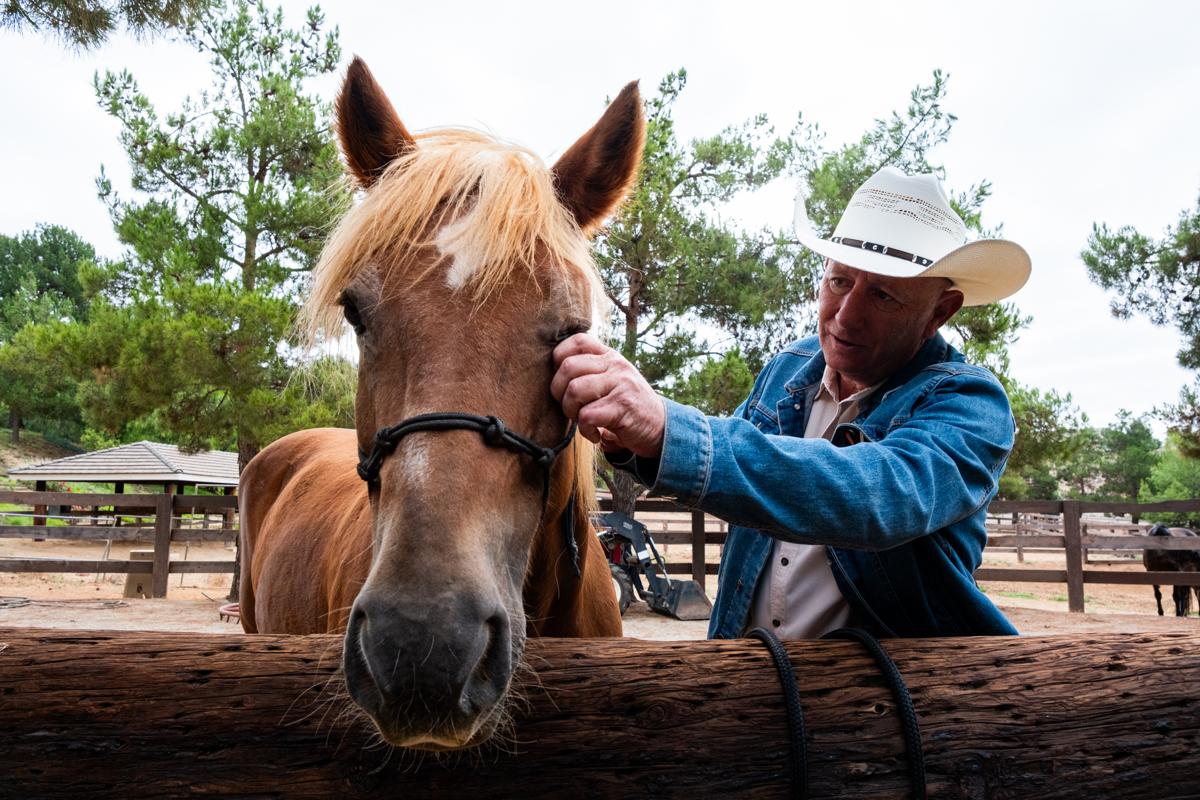
The vet is in the yard and the horse is on the crossties. She asks what she always asks: "When was his last Coggins, and did he get West Nile this spring?" The answer is in the binder. The binder is in the truck, and the truck is at home. This is the moment a horse veterinary records app is for.
Most of us don't keep bad records. We keep scattered ones. Some of it is in the binder. Some is in a text thread with the vet's office, some is on the calendar in the tack room, and the rest is in our heads. "Spring shots were... April? Maybe May."
That works fine when you're the one standing there. It falls apart when you're not.
Where the binder lets you down
A binder is a good archive. It's a poor tool for the moment you actually need it. It sits in one place, and that place is rarely where the horse is. It's in the truck, the house, or the office at the boarding barn, locked up at the exact moment the vet pulls in.
It also has one reader at a time. Say your barn friend holds your horse for the vet on Tuesday because you're at work. She can't open your binder. If the vet calls the barn manager about a follow-up, the barn manager is guessing. With three horses, all three horses' pages end up in one pocket folder, and the dental float from two years ago is stapled to someone else's invoice.
The calendar on the wall has the opposite problem. It knows when the next appointment is, but not what happened at the last one. The text thread with the vet's office has a bit of everything, and nobody can search it standing in a barn aisle with a lead rope in one hand.
A better filing system won't fix that. Riders need the short version of the record (who came, when, and why) on the phone they already carry, and they need everyone else who looks after the horse to see it too.
A horse veterinary records app that's already in your pocket
EquiNex keeps each horse's care records in one place, on your phone, next to your rides. Here's what that means for vet records. Just as important, here's what it doesn't do.
Every visit, with the reason it happened
When you book a vet visit in EquiNex, you enter the provider, the date and time, the location, and the reasons for the visit. The reasons come from a list: annual wellness exam, Coggins test, core vaccines, rabies, West Nile, strangles, influenza, dental float, lameness exam, x-ray and others. One visit can cover several horses, which is how farm calls actually go. Each horse builds up its own vet visit history. When the vet asks about West Nile, you scroll back to spring and there it is, with the date.
One thing to know: there's no separate vaccination tracker or dental tracker. Shots and floats are visit reasons, so they sit in the visit history with everything else. For most owners, that's where they'd look anyway.
Or just ask
You can scroll through a horse's visit history, but you can just as easily ask. EquiNex's AI consultant already knows each horse's records: recent vet visits and the reasons for them, vaccinations, deworming, and upcoming appointments. Ask it in plain language, the way you'd ask your barn manager: "When was Nelson's last Coggins?" "Is he due for a teeth float?" Or simply: "Do I need to schedule anything for Nelson?"
It answers from what's in the app, so the more you keep the records up, the better the answers get. Honestly, that's how it works with people and paper too. A barn manager can only tell you what somebody wrote down.
The vet's number is on the horse
Each horse's profile holds its vet, farrier and owner contacts, plus the basics: age, breed, color, sex, height, weight and notes. Medical conditions go there too, each with a date and notes, so "abscess, left front, March" doesn't depend on anyone's memory. If someone else is at the barn and something looks off, they don't have to text you for the vet's number. It's on the horse's page. The app won't tell anyone what's wrong with the horse. That's the vet's job. It just gets the right person on the phone faster.
Whoever is at the barn sees the same record
Invite people to your barn with a QR code, a link, a text or an email. Everyone on the team sees the horses, schedules and records. The friend holding your horse on Tuesday sees the same visit history you do, and so does the barn manager. The number of people and horses depends on the plan. The free plan covers one person and one horse.
If your barn runs in more than one language, EquiNex comes in English, Spanish, German, French and Portuguese. Tasks one teammate writes are translated automatically for teammates who use a different language.
A nudge the day before
On the paid plans, EquiNex sends a push notification to your phone 24 hours before a vet or farrier appointment. That's usually enough time to move a lesson, find someone to hold the horse, or make sure he isn't still out in the back pasture. Care reminders are push notifications only. They don't come by email or text.
Coggins and the yearly paperwork
To be clear: EquiNex doesn't store documents just yet. That's coming soon. The signed Coggins and health certificate stay wherever you keep them now. What EquiNex tracks is timing. "Coggins test" is a visit reason, so the date lands in the horse's history. Two task templates, "Update Coggins" (it repeats yearly) and "Prepare Coggins & health certificate", can carry a reminder. That way the scramble starts a week early, not on the morning you load the trailer.
Farrier and deworming records sit next to the vet visits. A farrier appointment records the trim and which hooves get shoes. It can be a one-time visit or repeat every 3 to 12 weeks. For deworming, you pick a product from a catalog grouped by drug class and set a schedule. Everything shows up on the horse's schedule and on the calendar.
The part you still do yourself
Keep it small:
- Log the visit before the vet's truck leaves the yard. Picking reasons from a list takes seconds while it's fresh.
- Add the vet's and farrier's numbers to each horse once.
- Invite the one or two people who actually handle your horse when you're not there.
That's all. No reorganizing the binder, no spreadsheet on Sunday night.
Why it matters
Good records aren't about being tidy. They help the horse get the right care from whoever is standing next to him that day. When the vet asks, you have an answer and not a guess. When you're stuck at work and your barn friend calls about a swollen leg, she already knows who to phone and what the horse had done last spring.
Keep the binder for the signed papers. Keep the history on the phone that's with you anyway, the same one that records your rides. A horse veterinary records app won't make the vet's job easier by itself. But it means nobody at your barn has to say "it's in the truck" again.